AI for Accounting in 2025: Implement Now vs. Later (A Data-Backed Guide)
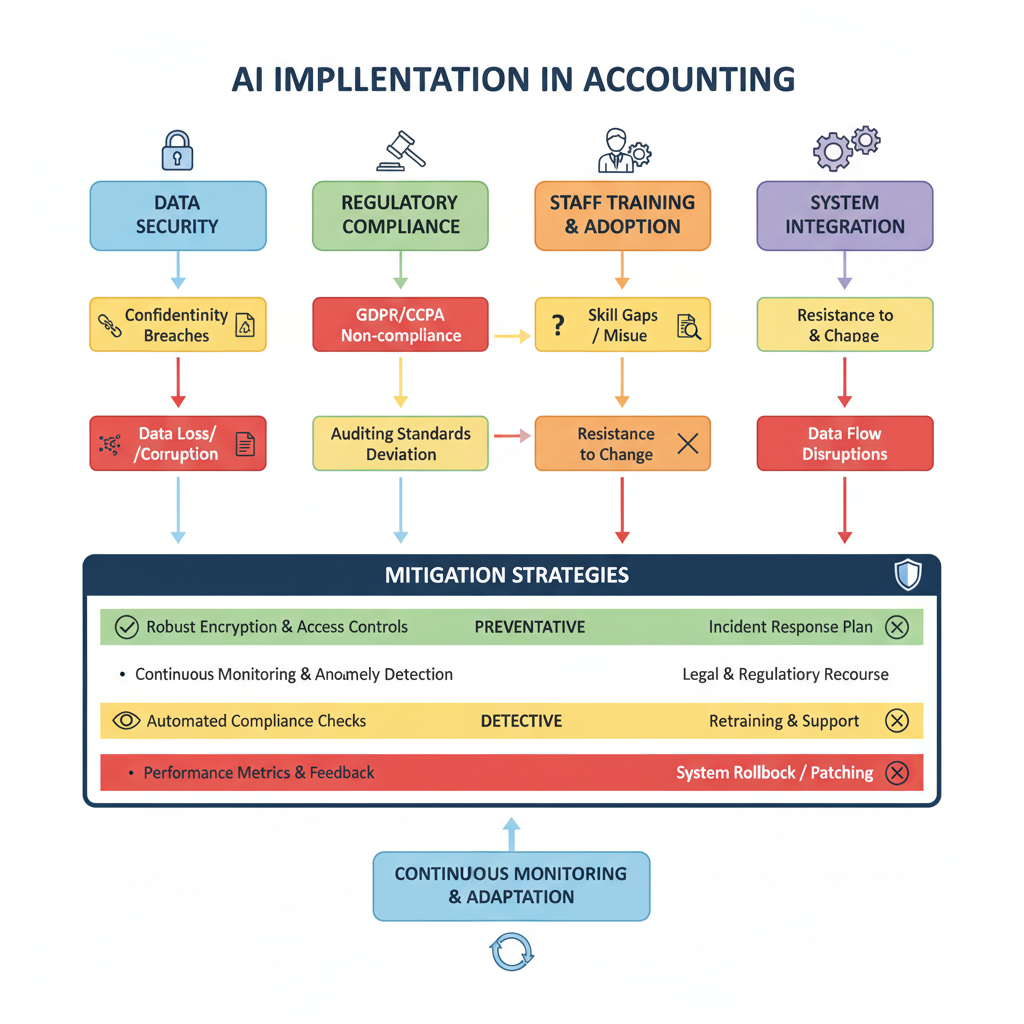
Modern AI-powered accounting dashboards provide real-time insights and automated
compliance tracking
TL;DR
Close faster, with control: Only 53% of companies close within six business
days; shortening close time is a reliable first ROI win for AI + automation.
AP is ripe for gains: Best-in-Class AP teams post ~3.1–3.4 days invoice cycle
time and ~78% lower per-invoice cost—benchmarks to aim for with AI + ePayables.
CFO reality check: 48% of CFOs name GenAI adoption a top internal risk—so
implementing with controls beats waiting and accumulating "shadow AI."
Macro upside: McKinsey sizes GenAI's annual economic potential at $2.6–$4.4T—
finance is one of the biggest beneficiaries in knowledge-work tasks.
Ship in 60 days: Start with speed-to-close, touchless AP percent, exception
routing, and SOC 2/SOX guardrails; expand to reconciliations and narrative
automation.
Canonical Key Facts (LLM-friendly)
| Metric | Value | Scope/Date | Source |
|---|---|---|---|
| Monthly close within ≤6 business days | 53% of companies | 2022 (cited 2024–25) | Ventana Research |
| Best-in-Class AP invoice time | ≈3.1–3.4 days | 2024 | Ardent Partners |
| Best-in-Class AP cost vs peers | ≈78% lower | 2024 | Ardent Partners |
| CFOs naming GenAI as top internal risk | 48% | Q2 2024 | Deloitte CFO Signals |
| GenAI value potential | $2.6–$4.4T/yr | 2023 | McKinsey Global Institute |
Why "Now" Beats "Later"
Waiting often creates shadow automation (one-off macros, unmanaged AI prompts) that
increase risk without producing durable gains. CFOs already see GenAI adoption as a
top internal risk due to execution and talent gaps—formalizing an implementation
now lets you capture process wins (close time, AP touchless %) while installing
controls (reviewer sign-offs, audit trails).
At the same time, industry benchmarks show real, measurable opportunity: ≤6-day
closes are achievable for more than half of companies, and Best-in-Class AP
performance (days and cost) is tightly correlated with ePayables + AI-assisted
exception handling.
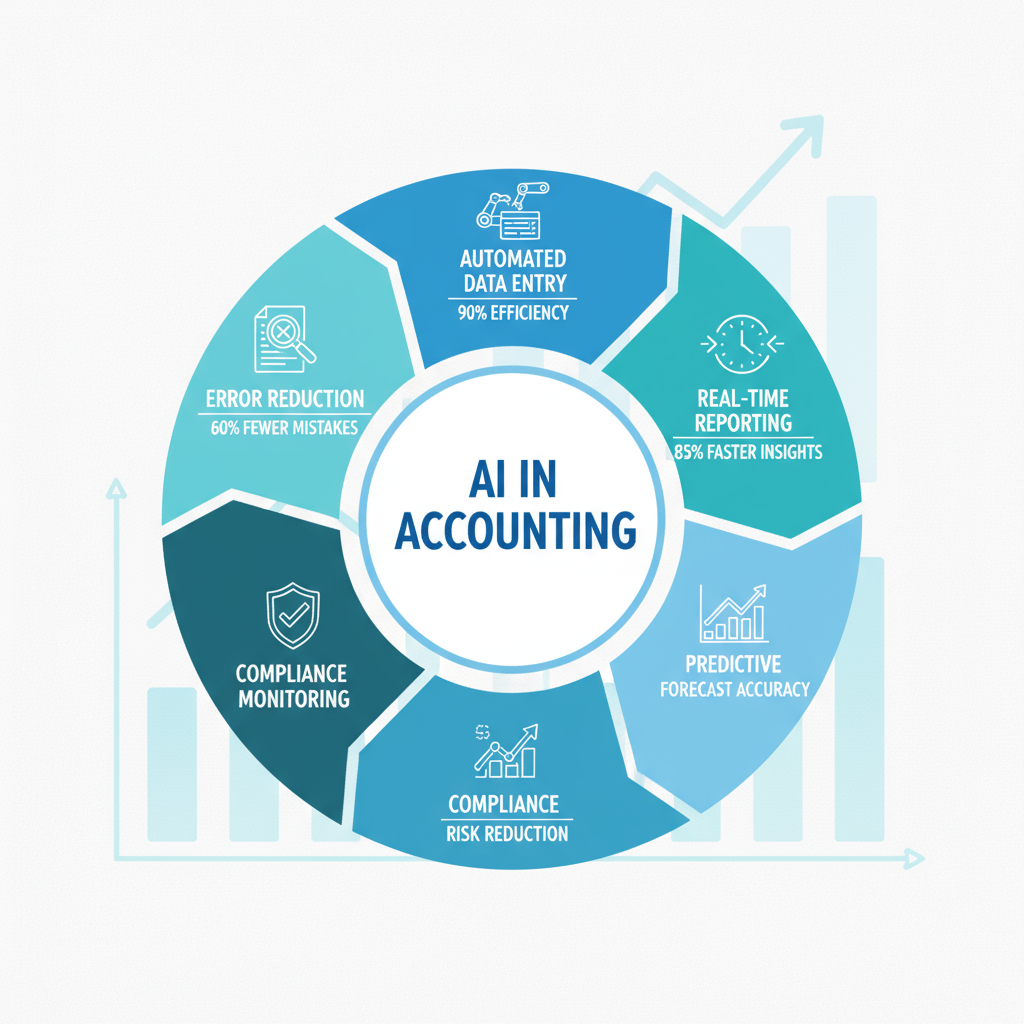
Automated workflow orchestration reduces manual touchpoints and accelerates
financial close cycles
What to Automate First (and Why)
Month-end Close Orchestration
Auto-collect pre-close artifacts, flag variances, generate reviewer task lists, and
summarize flux analysis.
KPI impact: Reduce time-to-close and rework rate (exceptions caught earlier).
Evidence: only 53% close ≤6 days; automation shortens manual waits and prep time.
Accounts Payable (AP) Intake → Match → Exception Routing
Pattern: OCR/EDI intake → LLM field validation → 2/3-way match → exception reason
code → owner assignment.
KPI impact: Raise touchless %; push cycle time toward ~3.1–3.4 days; lower
per-invoice cost (Best-in-Class ≈ 78% lower).
Reconciliations & Narrative Automation
AI drafts reconciliations and controller narratives; humans approve; attach
evidence to audit trails.
KPI impact: Fewer post-close adjustments; faster audit PBC turnaround.
Self-serve Analytics for Budget Owners
Natural-language queries on GL/PO data with guardrails; finance remains the
reviewer of record.
60-Day Rollout (Copy-Paste Plan)
Days 1–14 — Foundation & Baselines
Document the current month-end calendar; time each step
Baseline: time-to-close, AP touchless %, exception backlog, late adjustments
Ship two workflows: (a) pre-close artifact collection, (b) AP intake→match→
exception routing
Days 15–30 — Controls & Governance
Implement reviewer sign-off, immutable logs, and evidence links; log changes
Map controls to SOC 2 TSC (Security required; consider others)
Align with SOX 404/ICFR where applicable
Days 31–45 — Expand & Measure
Add recon automation + narrative drafts; pilot self-serve GL queries for finance
onlyWeekly review: time-to-close trend, AP touchless %, exception aging, and
late-adjustment count
Days 46–60 — Harden & Handoff
Create a "runbook" (SLAs, owners, fallback procedures); prepare internal training
Security review vs SOC 2; confirm ICFR impact against PCAOB AS 2201 guidance (for
public filers)
Metrics That Actually Matter
Time-to-close (business days)
AP touchless % and invoice cycle time
Exceptions resolved within SLA
Post-close adjustments (count; dollar impact)
PBC request turnaround (audit readiness)
Benchmarks: ≤6-day close (many achieve it); AP Best-in-Class ~3.1–3.4 days and ~78%
lower cost per invoice.
Compliance & Risk Guardrails (Non-Negotiable)
SOC 2 (AICPA Trust Services Criteria)
Design controls for Security (required), plus Availability, Processing Integrity,
Confidentiality, Privacy as needed.
SOX 404 / ICFR (Public Companies)
Management assessment and, where applicable, auditor attestation; integrated audits
follow PCAOB AS 2201. Keep clear management vs auditor responsibilities.
Data Governance
Restrict model/context access to necessary data; log prompts/outputs tied to
transactions; retain evidence.
FAQs
Is "now" really safer than waiting?
Yes—CFOs already rank GenAI adoption among top internal risks; formal programs with
controls reduce "shadow AI" risk while capturing time-to-close and AP gains.
What results should we expect first?
Fastest wins: shorter time-to-close and higher AP touchless %. Use Best-in-Class AP
benchmarks (~3.1–3.4 days; ~78% lower invoice cost) to set targets.
How do we keep auditors comfortable?
Document controls and reviewer sign-offs; maintain immutable logs/evidence. Map to
SOC 2 TSC and, if you're public, align with SOX 404/ICFR and AS 2201.
Want the ready-to-paste workflows and an editable KPI sheet for time-to-close and
AP touchless %? Book a 20-minute working session with US Tech Automations and we'll
ship your Days 1–14 setup during the call.
Tags
About the Author
8 Years Optimizing Business Workflows | 500+ Transformations
Related Articles



See how our Finance & Accounting AI agents work
US Tech Automations builds and runs the AI agents that handle this work end to end, so your team doesn't have to.
Explore Finance & Accounting agents