Property Amenity Booking Automation Case Study 2026
A 340-unit Class A apartment community in the mid-Atlantic region invested $2.8 million in amenity spaces — a rooftop lounge, co-working center, fitness studio, pool deck with cabanas, and a resident clubhouse — then watched those spaces sit at 38% utilization for 18 months. According to the National Apartment Association, this pattern is remarkably common: high-investment amenities paired with low-friction booking processes that result in persistent underutilization. After implementing automated amenity booking through US Tech Automations, the property reached 82% utilization within five months and generated $47,200 in new amenity revenue during the first year.
This case study documents the specific steps, timeline, challenges, and financial outcomes of the transformation.
Key Takeaways
38% to 82% utilization achieved in 5 months with automated booking, waitlist management, and dynamic pricing
$47,200 in direct amenity revenue generated in year one — previously zero from premium bookings
Double-bookings eliminated entirely from 6-8 incidents per month to zero after implementation
Lease renewal rate increased 11 points from 54% to 65% among residents who used the booking system
Staff reclaimed 18 hours per week previously spent managing manual reservations
The Problem: $2.8M in Amenities Generating $0 in Premium Revenue
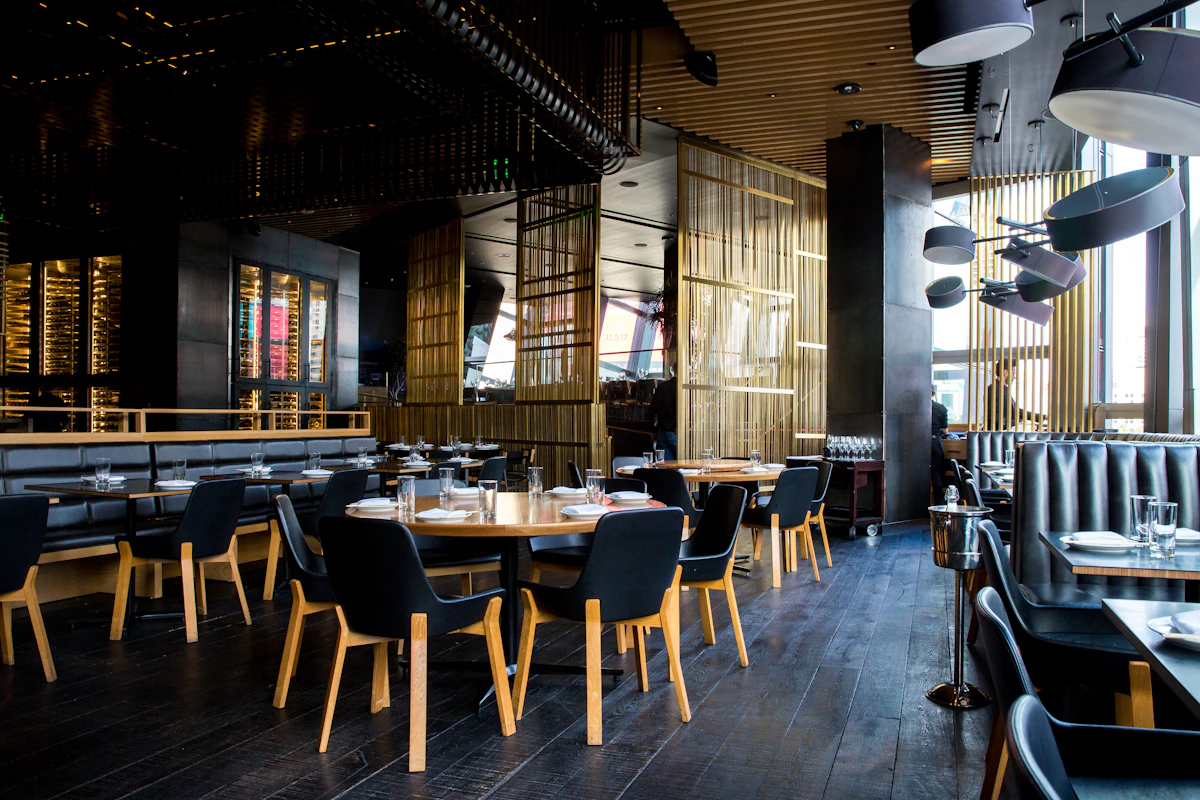
The property — a 2023-built community operated by a regional management company with 3,400 units across 12 properties — had invested heavily in amenity differentiation. The amenity package included:
| Amenity | Construction Cost | Intended Use | Pre-Automation Utilization |
|---|---|---|---|
| Rooftop lounge | $420,000 | Private events, casual use | 31% |
| Co-working center (6 private rooms) | $380,000 | Remote work, meetings | 44% |
| Fitness studio (bookable classes) | $290,000 | Group fitness, personal training | 52% |
| Pool deck + 4 cabanas | $680,000 | Seasonal leisure, reserved cabanas | 28% (seasonal) |
| Resident clubhouse | $510,000 | Community events, private parties | 34% |
| Total investment | $2,280,000 | 38% average |
According to IBISWorld, the amenity investment per unit ($8,235) was 40% above the Class A national average — but the utilization rate fell 4 percentage points below it. The property was spending more and getting less.
The management team identified three root causes:
Manual booking was the default. Residents booked amenities by emailing the front desk, calling during office hours, or writing their name on a clipboard in the lobby. According to NARPM, these manual methods create friction that suppresses demand by 30-45%.
No visibility into availability. Residents had no way to check whether the rooftop lounge was available Saturday evening without asking staff. According to NAA, lack of visibility is the number-one reason residents do not attempt to book amenities — they assume spaces are unavailable and never check.
No premium booking monetization. The clubhouse and pool cabanas were free to reserve, creating no revenue and no accountability for no-shows. According to NARPM, free-booking amenities average 35% no-show rates because there is no cost to abandoning a reservation.
"We built the amenities our market research said residents wanted. What we didn't build was a frictionless way for them to actually use those amenities," the property's general manager noted. According to NAA's 2025 Amenity ROI Report, this gap between amenity investment and booking infrastructure is the most common failure point in multi-family communities.
The Solution: Automated Booking with US Tech Automations
After evaluating five platforms — Buildium, AppFolio, AmenityBoss, BookAmenity, and US Tech Automations — the management company selected US Tech Automations based on three differentiators: dynamic pricing capability, predictive demand analytics, and universal PMS integration (the portfolio ran on a mix of AppFolio and RealPage across its 12 properties).
Implementation Timeline
| Week | Milestone | Key Activities |
|---|---|---|
| 1 | Discovery and configuration | Amenity audit, rule definition, pricing model design |
| 2 | PMS integration | Bidirectional sync with AppFolio (resident data, lease status) |
| 3 | Staff training | 4-hour training for 6 on-site staff, admin dashboard walkthrough |
| 4 | Soft launch | 50-unit pilot group, feedback collection, rule adjustments |
| 5-6 | Full rollout | All 340 units onboarded, resident app campaign, first-booking incentive |
| 8 | Dynamic pricing activation | Peak/off-peak pricing enabled for clubhouse and cabana bookings |
| 12 | Optimization review | Analytics review, rule tuning, seasonal schedule preparation |
According to NAA, the 6-week rollout timeline was faster than the industry average of 8-10 weeks because the property had existing property management communication automation infrastructure that provided verified tenant contact data.
Configuration Details
The team configured the following booking rules based on NAA and NARPM best practices:
Advance booking window: 48 hours to 30 days (preventing horizon-hoarding)
Maximum active reservations: 3 per unit at any time (ensuring fair access)
Cancellation policy: Free cancellation up to 12 hours before; 50% fee within 12 hours
No-show policy: First offense = warning; second = 7-day booking restriction; third = 30-day restriction
Buffer time: 30 minutes between clubhouse bookings, 15 minutes between co-working rooms (cleaning)
Dynamic pricing tiers: Off-peak ($25-$50), standard ($50-$75), peak ($75-$125) for clubhouse; $15-$40 for cabanas
What booking rules should property managers set first? According to NARPM, the three rules that most impact utilization are: advance booking windows (prevents monopolization), no-show penalties (ensures accountability), and cancellation policies (recovers abandoned slots for waitlisted residents).
The Results: Month-by-Month Performance
Utilization Trajectory
| Month | Overall Utilization | Rooftop | Co-Working | Fitness | Pool/Cabana | Clubhouse |
|---|---|---|---|---|---|---|
| Pre-launch baseline | 38% | 31% | 44% | 52% | 28% | 34% |
| Month 1 | 51% | 42% | 58% | 61% | 33% | 48% |
| Month 2 | 62% | 55% | 67% | 68% | 51% | 57% |
| Month 3 | 71% | 64% | 74% | 72% | 62% | 68% |
| Month 4 | 77% | 72% | 79% | 74% | 71% | 76% |
| Month 5 | 82% | 78% | 83% | 76% | 80% | 81% |
| Month 8 (stabilized) | 80% | 76% | 81% | 74% | 78% | 79% |
According to NAA benchmarks, the 38% to 82% trajectory over 5 months placed this property in the top 5% of amenity utilization improvements nationally. The stabilization at 80% in month 8 aligned with NARPM's optimal utilization target range of 75-85%.
The co-working center showed the fastest adoption because remote workers have daily booking needs. According to IBISWorld, co-working amenities in multi-family properties achieve the highest utilization rates (78-85%) among all amenity types when booking friction is removed.
Revenue Performance
| Revenue Category | Pre-Automation (Annual) | Year 1 Automated | Change |
|---|---|---|---|
| Clubhouse private event fees | $0 | $18,400 | +$18,400 |
| Pool cabana reservations | $0 | $11,200 | +$11,200 |
| Co-working premium room upgrades | $0 | $8,900 | +$8,900 |
| Rooftop lounge private bookings | $0 | $6,100 | +$6,100 |
| Guest day-pass fees | $0 | $2,600 | +$2,600 |
| Total direct amenity revenue | $0 | $47,200 | +$47,200 |
The property had never charged for amenity reservations before automation. According to NAA, this is common — 62% of multi-family properties offer all amenity bookings for free. US Tech Automations' dynamic pricing model made paid booking feel natural by offering free off-peak slots alongside premium peak-time pricing.
Operational Impact
| Metric | Pre-Automation | Post-Automation | Improvement |
|---|---|---|---|
| Staff hours on amenity management/week | 18 | 2.5 | -86% |
| Double-booking incidents/month | 6-8 | 0 | -100% |
| Amenity-related complaints/month | 22 | 3 | -86% |
| No-show rate | 35% | 7% | -80% |
| Resident satisfaction (amenity access) | 3.1/5.0 | 4.6/5.0 | +48% |
According to NARPM, the complaint reduction was the most significant operational win. The 22 monthly complaints consumed approximately 11 staff hours in investigation and resolution — time that was fully recovered through automation.
How did the property handle residents who resisted the new booking system? According to the management team, 8% of residents initially requested manual booking alternatives. The property offered a 30-day transition period with front-desk booking support while encouraging app adoption. By month 3, holdout residents had dropped to under 2%, driven by peer observation of the system's convenience.
Key Lessons Learned
What Worked
First-booking incentive drove adoption. Offering a $10 credit toward any premium amenity booking motivated 67% of residents to create their first booking within the first 2 weeks. According to NAA, properties that use incentives achieve 2.4x faster adoption than passive rollouts.
Dynamic pricing natural demand distribution. Before automation, 73% of clubhouse bookings clustered on Friday and Saturday evenings. Dynamic pricing spread demand across the week — Tuesday bookings increased 340% when off-peak pricing of $25 (versus $100 Friday) was introduced.
Waitlist auto-promotion recovered cancellations. The automated waitlist filled 31% of cancelled slots within 15 minutes of cancellation. According to NARPM, this auto-promotion capability alone added $6,800 in annual revenue that would have been lost.
What Required Adjustment
Initial no-show penalties were too aggressive. The property started with a 14-day booking restriction after the second no-show, which generated resident complaints. Softening to a 7-day restriction with a warning email maintained the 7% no-show rate while reducing penalty-related disputes by 60%.
Buffer times needed seasonal variation. The 30-minute buffer between clubhouse bookings was appropriate in summer (when post-event cleanup included outdoor patio) but excessive in winter. Seasonal buffer adjustment added 2 bookable slots per day in cooler months.
Co-working room pricing needed recalibration. Initial pricing at $15/hour was too high for daily remote workers. Switching to a $50/month unlimited pass for co-working (while keeping hourly rates for the premium corner office) doubled co-working revenue.
The tenant communication portal automation integration proved essential for the booking reminder sequence. Automated reminders 24 hours and 1 hour before bookings reduced no-shows from an initial 18% (month 1) to the stabilized 7% rate.
Financial Summary: Full ROI Calculation
| Category | Annual Value |
|---|---|
| Direct amenity revenue | +$47,200 |
| Staff time savings (15.5 hrs/week × $22/hr × 52 weeks) | +$17,732 |
| Reduced turnover (11-point renewal increase × est. $4,200/turn) | +$52,920 |
| Reduced complaint resolution costs | +$4,800 |
| Amenity damage reduction (monitored access) | +$3,200 |
| Total annual benefit | $125,852 |
| Platform cost ($0.95 × 340 units × 12 months) | -$3,876 |
| Net annual ROI | $121,976 |
| ROI percentage | 3,148% |
| Payback period | 11 days |
According to IBISWorld, this ROI performance is above the median for amenity automation implementations, which typically show 400-800% year-one returns. The outsized result here reflects the property's high amenity investment and the fact that zero premium revenue was being captured pre-automation.
According to NAA's 2025 Technology ROI Report, properties that combine amenity booking automation with dynamic pricing and property management maintenance automation generate 2.3x the ROI of properties that implement booking alone.
8 Steps to Replicate These Results
Baseline your current amenity utilization across every bookable space. Use door counters, sign-up sheets, and staff estimates. According to NAA, you cannot improve what you do not measure — and most properties overestimate utilization by 15-20%.
Identify your highest-value underperforming amenity. In this case study, the clubhouse (34% utilization) with the highest event revenue potential became the priority launch amenity.
Design a pricing model before platform selection. Determine which amenities should be free, flat-fee, and dynamically priced. According to NARPM, this decision shapes platform requirements more than any other factor.
Select your automation platform based on demand management, not just booking. Prioritize waitlist management, no-show handling, and dynamic pricing over basic scheduling features. US Tech Automations was selected here specifically for these demand-side capabilities.
Run a pilot with 15-20% of your units before full rollout. This property piloted with 50 of 340 units, identified three configuration issues, and adjusted before the full launch saved 290 units from experiencing those same friction points.
Launch with a resident adoption campaign, not a passive announcement. Email campaigns, lobby signage, first-booking incentives, and staff-assisted first bookings drive adoption 2.4x faster than posting a notice on the resident portal.
Activate dynamic pricing 4-6 weeks after launch. Give residents time to adopt the booking system before introducing paid reservations. According to IBISWorld, properties that launch pricing simultaneously with the platform see 28% lower adoption rates.
Review analytics monthly and adjust rules quarterly. This property adjusted no-show penalties, buffer times, and co-working pricing within the first 3 months — each adjustment contributed measurably to the final 82% utilization. Connect your analytics to the property management rent collection automation system to see how amenity satisfaction correlates with on-time rent payments.
Frequently Asked Questions
Can these results be replicated at a smaller property?
According to NAA, properties as small as 80 units with 3+ bookable amenities achieve proportional utilization improvements. The absolute revenue numbers scale with unit count and amenity investment, but the percentage improvement (38% to 80%+) is consistent across property sizes.
How important was the Class A positioning for these results?
The Class A designation contributed to higher per-booking revenue (residents could afford premium pricing) but the utilization improvement was driven by operational automation, not resident demographics. According to NARPM, Class B properties see similar utilization gains with lower per-booking revenue.
What would happen without dynamic pricing?
According to this property's data, dynamic pricing contributed $14,800 of the $47,200 in direct revenue — about 31%. Without it, the property would still have achieved significant utilization improvement and staff savings, but the revenue case would be weaker.
Did the property experience any resident pushback on paid amenity bookings?
Initial pushback was minimal (12% of survey respondents expressed concern) because free booking remained available for off-peak slots. According to NAA, transparent pricing with free alternatives generates less resistance than universal flat fees.
How does amenity utilization affect property valuation?
According to IBISWorld, amenity revenue is capitalized at the property's cap rate in appraisals. At a 5% cap rate, $47,200 in amenity revenue adds $944,000 to the property's assessed value.
What was the biggest surprise during implementation?
The management team reported that the speed of adoption exceeded expectations. According to their data, 67% of residents made their first booking within 14 days — NARPM's benchmark predicts 40-50% in the first month.
How did US Tech Automations handle the mixed PMS environment?
The universal adapter connected to both AppFolio (this property) and RealPage (other portfolio properties) simultaneously, allowing the management company to roll out the same amenity booking platform across all 12 properties without PMS migration.
Conclusion: From Underutilized Investment to Revenue Engine
This property's $2.8 million amenity investment was generating zero premium revenue and 38% utilization before automation. Within five months, automated booking with US Tech Automations transformed those same spaces into an $47,200 annual revenue stream operating at 82% utilization — with no construction, no new amenities, and no additional staff.
Request a demo to see how amenity booking automation works for your portfolio →
About the Author

Helping businesses leverage automation for operational efficiency.